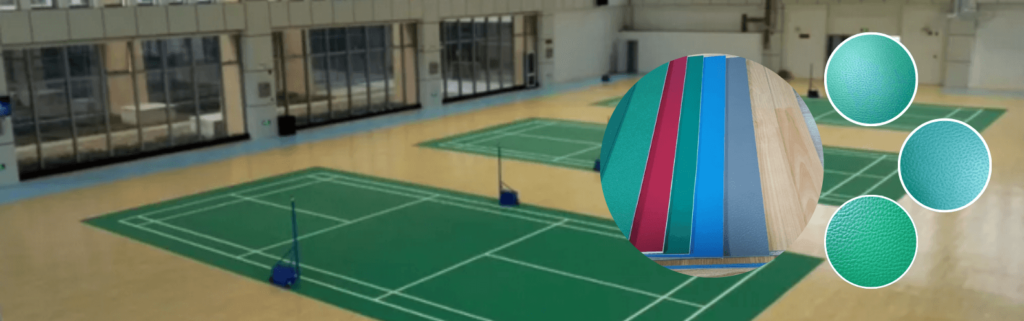

How to Pick Durable Sports Flooring on a Budget
In 2026, building a high-performance athletic facility doesn't have to break the bank. Whether you are setting up a community badminton court, a home gym, or a commercial fitness center, the key is balancing long-term resilience with upfront affordability. Discover How to Pick Durable Sports Flooring on a Budget and see why M-Sports Floorings—India’s leading provider of value-driven athletic surfaces—is the 5-star choice for cost-conscious facility owners:
- 🛡️ Prioritize Multi-Purpose Synthetic Surfaces: If you need versatility, look for high-density PP Interlocking Tiles. These are significantly more affordable than traditional hardwood and offer excellent shock absorption. At M-Sports Floorings, we recommend these for budget-friendly sports flooring because they are easy to install and require near-zero maintenance.
- 🏸 Choose BWF-Standard PVC Vinyl for Badminton: You don’t need a massive budget for a professional feel. Our 4.5mm to 6.5mm PVC sports flooring provides the necessary "bite" and cushioning for competitive play. We help you pick durable sports flooring by offering factory-direct pricing on mats that mimic the performance of premium Olympic surfaces.
- 🏋️ Opt for Recycled Rubber Rolls for Gyms: For heavy-weight areas, recycled rubber is the ultimate budget hack. It’s incredibly durable, dampens noise, and protects your subfloor. M-Sports Floorings provides high-impact rubber gym flooring that resists tearing and indentation, ensuring your 5-star facility looks new for years.
- 🌦️ Invest in All-Weather Acrylic for Outdoor Courts: If you're building a basketball or tennis court, multi-layer acrylic cushioning is the most cost-effective long-term solution. It resists UV damage and heavy rain, preventing the costly cracking often seen in cheaper, non-specialized concrete paints.
- 📏 Focus on Sub-Base Preparation to Save Later: The secret to durable sports flooring on a budget isn't just the top layer—it's the ground underneath. Our experts at M-Sports Floorings provide a Free Site Inspection to ensure your base is level, preventing premature wear and tear that leads to expensive repairs.
Table of Contents
- Why Sports Flooring Quality Matters
- Set a Realistic Budget First
- Choose the Right Sports Flooring Material
- PVC Sports Flooring
- Rubber Sports Flooring
- Wooden Sports Flooring
- Synthetic Sports Flooring
- Consider Multi-Sport Flooring Options
- Look for Easy Installation Systems
- Evaluate Long-Term Durability
- Check Maintenance Requirements
- Choose a Reliable Sports Flooring Supplier
- Compare Multiple Flooring Options
- Plan for Future Facility Expansion
- Conclusion
How to Pick Durable Sports Flooring on a Budget – M Sports Floorings
Choosing the right sports flooring is one of the most important decisions when building or upgrading a sports facility. Whether it’s for a school, sports academy, indoor stadium, or recreational center, the flooring directly affects player performance, safety, and long-term maintenance costs.
However, many facility owners struggle with one key challenge — finding durable sports flooring that fits within their budget.
The good news is that you don’t need to spend a fortune to get high-quality flooring. By understanding materials, installation requirements, and long-term durability, you can choose the best sports flooring solution without overspending.
Companies like M Sports Floorings in China provide cost-effective sports flooring solutions designed to deliver both performance and durability.
This guide explains how to choose durable sports flooring on a budget while ensuring quality and reliability.
Why Sports Flooring Quality Matters
Sports flooring is different from regular flooring because it must handle constant impact, movement, and heavy usage.
Athletes depend on flooring that provides:
Proper grip and traction
Shock absorption
Injury prevention
Consistent ball bounce
Long-term durability
Poor quality flooring can lead to injuries, frequent repairs, and higher maintenance costs. Investing in the right flooring from the beginning helps avoid expensive replacements later.
Set a Realistic Budget First
Before selecting a flooring material, define your project budget.
Your budget should consider:
Flooring material cost
Installation cost
Transportation and logistics
Maintenance expenses
Long-term durability
Some flooring options may appear cheaper initially but require frequent repairs, making them more expensive over time.
Budget planning helps you find the right balance between affordability and quality.
Choose the Right Sports Flooring Material
Different sports require different types of flooring materials. Choosing the right material ensures durability while staying within budget.
PVC Sports Flooring
PVC flooring is one of the most popular choices for indoor sports facilities.
Advantages include:
Affordable pricing
Easy installation
Good shock absorption
Comfortable playing surface
PVC flooring works well for sports such as badminton, volleyball, basketball, and table tennis.
Rubber Sports Flooring
Rubber flooring is commonly used in gyms and fitness centers.
Benefits include:
Excellent durability
High impact resistance
Slip resistance
Low maintenance
Rubber flooring is ideal for weight training areas and multipurpose sports spaces.
Wooden Sports Flooring
Wooden flooring is widely used in professional indoor courts.
Advantages include:
Premium appearance
Excellent performance
Natural shock absorption
However, wooden floors can be expensive compared to other materials. For budget-friendly projects, engineered wood or hybrid flooring options may be better.
Synthetic Sports Flooring
Synthetic flooring is designed for high-performance sports courts.
Key benefits include:
High durability
Consistent performance
Weather resistance for outdoor courts
Synthetic surfaces are commonly used for tennis courts, basketball courts, and multi-sport facilities.
Consider Multi-Sport Flooring Options
If your facility supports multiple sports, installing separate flooring for each sport can be expensive.
A multi-sport flooring system allows one surface to support different activities.
For example:
Badminton
Basketball
Volleyball
Futsal
This approach helps reduce installation costs while maximizing the use of available space.
Look for Easy Installation Systems
Some sports flooring systems require complex installation processes that increase labor costs.
Budget-friendly options usually include:
Interlocking flooring systems
Roll-out flooring
Modular tile systems
These systems are faster to install and reduce installation expenses.
Working with experienced suppliers like M Sports Floorings ensures proper installation guidance and technical support.
Evaluate Long-Term Durability
Durability is the key factor when selecting sports flooring on a budget.
Even if the initial price is low, flooring that wears out quickly will increase long-term costs.
When evaluating durability, check for:
Wear layer thickness
Material density
Resistance to heavy foot traffic
Moisture resistance
High-quality sports flooring should last many years with minimal maintenance.
Check Maintenance Requirements
Maintenance costs can significantly affect your total budget.
Some flooring types require frequent polishing, resurfacing, or cleaning.
Low-maintenance flooring options include:
PVC sports flooring
Rubber flooring
Synthetic sports surfaces
Choosing easy-to-maintain flooring helps reduce long-term operational expenses.
Choose a Reliable Sports Flooring Supplier
Selecting the right supplier is just as important as choosing the right flooring material.
A reliable sports flooring supplier provides:
Quality certified materials
Professional technical guidance
Installation recommendations
Long-term support
M Sports Floorings in China is known for providing cost-effective sports flooring solutions designed for durability and performance.
Working with an experienced supplier ensures that your flooring investment delivers long-term value.
Compare Multiple Flooring Options
Before making a final decision, compare multiple flooring solutions.
Look at factors such as:
Price per square meter
Expected lifespan
Installation requirements
Maintenance costs
This comparison helps identify the most cost-effective solution without compromising quality.
Plan for Future Facility Expansion
If you plan to expand your sports facility in the future, choose flooring that can be easily extended or modified.
Modular flooring systems are ideal because they allow:
Easy expansion
Flexible layout changes
Quick replacement of damaged sections
This flexibility helps reduce future renovation costs.
Conclusion
Choosing durable sports flooring on a budget requires careful planning and smart decision-making. Instead of focusing only on the lowest price, facility owners should evaluate durability, material quality, maintenance requirements, and long-term performance.
By selecting the right flooring material and working with reliable suppliers like M Sports Floorings in China, sports facilities can achieve high-quality playing surfaces without exceeding their budget.
A well-planned sports flooring investment ensures better player safety, improved performance, and long-lasting durability, making it a smart choice for schools, academies, gyms, and sports complexes.