Extreme temperature drops can turn structural materials brittle and cause costly damage. Discover the Best Options for Cold Snaps to protect your home’s plumbing and concrete from the destructive "freeze-thaw" cycle in 2026:
- 🚿 Protect Your Pipes: The best defense against burst plumbing is polyethylene foam insulation. Wrap exposed pipes in unheated areas like attics or garages, and during extreme cold, allow faucets to run at a slow trickle to keep water moving.
- 🧱 Concrete & Masonry: Prevent cracks by applying a high-quality penetrating silane/siloxane sealer. This creates a hydrophobic barrier that stops moisture from entering pores, expanding by 9%, and causing "spalling" or surface flaking.
- ✅ Seal Air Gaps: Stop freezing drafts by updating weatherstripping and caulk around windows and doors. For older homes, use draft stoppers or rolled towels at door bases to keep the warm air in and the freezing air away from interior plumbing.
- 🚿 Outdoor Winterization: Disconnect all garden hoses and shut off the main exterior water supply. Install insulated faucet socks or covers over outdoor spigots to provide a thermal buffer against sub-zero wind chills.
- 💰 Effective Alternatives: If rock salt isn't available, use clay
1. Introduction: The Science of Why Materials Crack in the Cold
Thermal contraction and the freeze-thaw cycle.
2. Protecting Your Plumbing: Preventing Pipe Bursts
Insulation materials: Foam, fiberglass, and rubber sleeves.
The “Steady Stream” method: Why dripping faucets save pipes.
Outdoor maintenance: Draining hose bibs and installing frost-proof faucets.
3. Structural Integrity: Safeguarding Foundations and Driveways
Foundation care: Managing snowmelt and soil expansion.
Concrete and Masonry: Using sealants to block moisture entry.
Asphalt Pavements: How surface stiffness affects cold-weather cracking.
4. Interior Protection: Windows, Doors, and HVAC
Sealing air leaks: Weatherstripping and door sweeps.
HVAC health: Maintaining airflow to prevent system strain.
5. Specialty Materials: Glass, Ceramics, and Metals
Avoiding thermal shock: Why rapid temperature changes are dangerous.
Metal fatigue: Understanding brittle failure in extreme cold.
6. Emergency Prep: What to Do if You Spot a Crack
Short-term patches vs. professional repairs.
Emergency water shut-off procedures.
7. Conclusion: Winterizing as a Year-Round Strategy
Cold snaps can be extremely damaging to basketball court flooring if the wrong materials are used. Rapid temperature drops cause expansion and contraction, leading to surface cracks, warping, loss of grip, and safety risks for players. Whether for indoor, semi-outdoor, or outdoor courts, choosing the right flooring is essential to maintain performance and durability during winter conditions.
In this guide, we’ll explore how to avoid cracks during cold snaps and review the best basketball court flooring options for cold climates, helping facility owners, schools, and sports centers make informed decisions.
Why Cold Snaps Cause Cracks in Basketball Court Flooring
When temperatures fall suddenly, flooring materials react differently based on their composition. Rigid or low-quality surfaces tend to contract quickly, resulting in:
Surface cracking
Joint separation
Reduced shock absorption
Slippery or uneven playing conditions
Cold-weather basketball court flooring must be designed to withstand thermal stress, moisture exposure, and repeated impact without structural damage.
Cold Weather Basketball Court Flooring: Key Performance Requirements
To avoid cracks and surface failure during cold snaps, basketball court flooring should offer:
Temperature resistance to handle extreme cold
Flexibility to absorb expansion and contraction
Shock absorption for player safety
Anti-slip texture for secure grip
Moisture resistance to prevent freeze-related damage
Meeting these requirements ensures consistent playability even in harsh winter conditions.
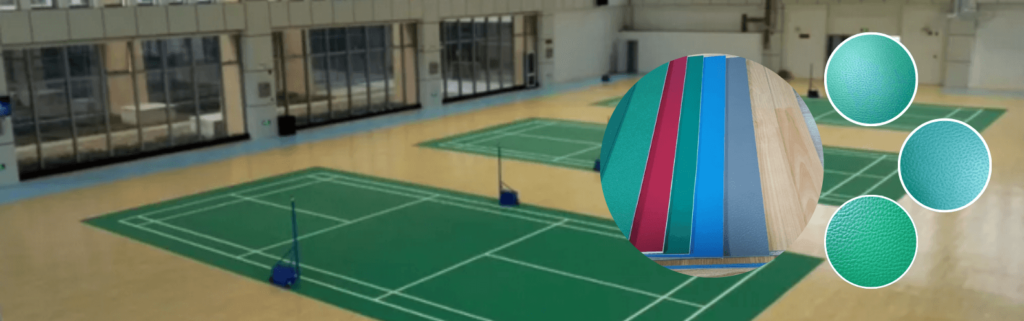
PVC Sports Flooring for Basketball Courts in Cold Climates
PVC sports flooring is one of the most reliable solutions for cold environments. Its layered construction allows it to remain flexible even at low temperatures.
Benefits of PVC Flooring in Cold Snaps:
Excellent resistance to cracking
Stable ball bounce in cold weather
High shock absorption
Anti-slip surface treatment
Long service life for indoor courts
PVC flooring is ideal for indoor basketball courts and climate-controlled facilities where durability and player comfort are priorities.
PP Interlocking Tiles for Outdoor and Semi-Outdoor Courts
For outdoor or semi-outdoor courts exposed to freezing temperatures, PP interlocking tiles are among the best options to avoid cracks.
Why PP Tiles Perform Well in Cold Weather:
Designed to expand and contract naturally
Crack-resistant modular structure
Drainage system prevents ice buildup
Easy replacement of damaged tiles
Strong grip even in winter conditions
PP interlocking basketball court tiles are especially suitable for schools, community courts, and rooftop installations in cold climates.
Rubber Flooring for Basketball Courts in Cold Weather
Rubber flooring is another effective solution for preventing cracks during cold snaps. Known for its elasticity, rubber absorbs temperature changes without structural damage.
Advantages of Rubber Sports Flooring:
Maintains flexibility in low temperatures
Superior impact and shock absorption
Slip-resistant surface
Noise reduction benefits
Suitable for training and recreational courts
Rubber flooring works best in indoor and covered basketball courts where consistent performance is needed year-round.
Modular Basketball Court Flooring Systems for Winter Durability
Modular basketball court flooring systems are engineered specifically to handle environmental stress. These systems combine flexibility, durability, and easy maintenance.
Key Features:
Crack-resistant modular design
Adaptability to temperature changes
Quick installation and repair
Consistent surface performance
Ideal for commercial basketball courts
Modular flooring is a smart investment for facilities that experience frequent temperature fluctuations.
Temperature Resistant Sports Flooring: What to Avoid
To truly avoid cracks during cold snaps, it’s just as important to know what not to use. Materials that commonly fail in cold weather include:
Low-grade concrete without expansion joints
Cheap vinyl with poor thermal tolerance
Non-sports-grade tiles
Flooring without moisture protection
These options may cost less initially but often lead to costly repairs and unsafe playing conditions.
Basketball Court Flooring Installation Tips for Cold Climates
Even the best flooring can fail if installed incorrectly. Follow these tips to maximize cold-weather performance:
Allow flooring materials to acclimate before installation
Use proper expansion gaps
Ensure a level and insulated subfloor
Choose professional installation services
Perform regular winter inspections
Proper installation plays a major role in preventing cracks and extending flooring lifespan.
Long-Lasting Basketball Court Floors for Extreme Temperatures
Choosing the right flooring material ensures long-term durability, player safety, and consistent gameplay. Flooring solutions like PVC sports flooring, PP interlocking tiles, rubber flooring, and modular systems are proven performers in cold climates.
By selecting temperature-resistant materials and professional installation, facility owners can confidently avoid cracks during cold snaps and maintain high-quality basketball courts throughout the winter season.
Final Thoughts
Cold weather doesn’t have to mean damaged basketball courts. With the right flooring choice, it’s possible to maintain performance, safety, and durability even in extreme temperatures. If your goal is to avoid cracks, reduce maintenance costs, and ensure year-round playability, investing in cold-weather-optimized basketball court flooring is the smartest solution.