Best Rubber Floors for Basketball Courts on a Budget
Building a professional-grade hoop space doesn't have to break the bank. Explore the Best Rubber Floors for Basketball Courts on a Budget in 2026, where cost-effective materials like recycled SBR rubber and modular tiles provide elite performance for a fraction of the cost of hardwood:
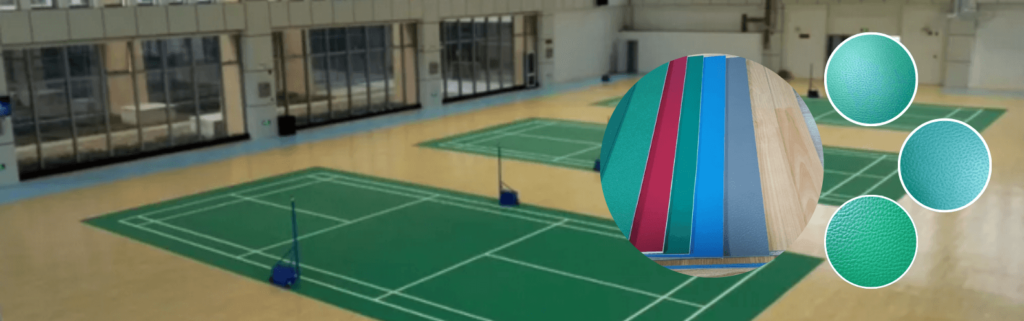
- 🛡️ 1. Recycled SBR Rubber Rolls: For the ultimate budget-friendly indoor court, 10mm–12mm rubber flooring rolls are the gold standard. India Sports Floorings offers high-density rolls starting at approximately ₹55–₹85 per sq ft, providing excellent shock absorption and a seamless, professional look.
- 🧩 2. Interlocking Rubber Tiles: Ideal for smaller community centers or DIY home courts, interlocking rubber tiles eliminate the need for expensive professional adhesives. They allow for easy "section-by-section" replacement, ensuring long-term savings on maintenance and repairs.
- 🏀 3. Vulcanized High-Impact Mats: If your budget allows for a slightly thicker surface in "key" areas, vulcanized rubber mats offer superior ball bounce (up to 95-98%) and durability. These are best for high-traffic basketball courts that require minimal upkeep over a 10-year lifespan.
- 🩹 4. DIY-Friendly Installation: Save up to 30% on total project costs by choosing "loose-lay" systems. Many budget rubber floor options from India Sports Floorings are designed for easy installation over existing concrete or asphalt, significantly reducing labor expenses.
- 🌦️ 5. Multi-Purpose Versatility: Maximize your ROI by selecting a surface that supports more than just basketball. Modern budget rubber sports flooring is engineered for multi-sport use, allowing your court to host volleyball, badminton, or functional training without damaging the surface.
Table of Contents
- Why Choose Rubber Flooring for Basketball Courts?
- Top Rubber Flooring Options for Budget Basketball Courts
- How Much Will Rubber Basketball Flooring Cost?
- Rubber Flooring Thickness Guide
- Key Things to Consider Before Buying
- Rubber Flooring Maintenance Tips
- Rubber vs Hardwood Basketball Flooring
- Wrap Up: Best Rubber Floors on a Budget
- Frequently Asked Questions
Best Rubber Floors for Basketball Courts on a Budget
Building a basketball court that looks and performs like a pro-level surface doesn’t have to drain your wallet. If you’re setting up a community court, school gym, apartment court, or budget-friendly indoor/outdoor space, rubber flooring is one of the smartest choices you can make.
Rubber floors are durable, shock-absorbent, low maintenance, and safe for players — even when costs matter. In this guide, we’ll break down the best rubber flooring options for basketball courts on a budget, how to choose the right one, and tips to get performance without overspending.
Why Choose Rubber Flooring for Basketball Courts?
Rubber is one of the most popular materials for budget-friendly court flooring — and for good reason.
Here’s why:
🏀 Shock Absorption – Protects knees and joints during high-impact play
👟 Non-Slip Surface – Great traction for fast cuts and quick stops
💪 Durable & Long-Lasting – Resists wear even with heavy use
🧽 Low Maintenance – Easy to clean and doesn’t need special care
🛠️ DIY-Friendly Options – Some types can be installed without pros
💰 Budget-Smart – Cheaper than hardwood and premium synthetic floors
Rubber gives you a balance of safety and performance — especially when you’re watching your budget.
Top Rubber Flooring Options for Budget Basketball Courts
Here are the best-value rubber surfaces to consider:
1. Rubber Rolls — Best All-Around Budget Option
Why It’s Great:
Rubber rolls give you a seamless, smooth court surface without breaking the bank. They’re simpler to install than tiles and provide a consistent feel.
Pros:
Cost-effective for large areas
Smooth, continuous look
Good shock absorption
Easy to maintain
Cons:
Requires precise subfloor prep
DIY install harder than interlocking tiles
Ideal For:
Indoor gym floors, school court renovations, community centers
2. Interlocking Rubber Tiles — Most Versatile Budget Choice
Why It’s Great:
Interlocking tiles are super popular because they snap together easily — no glue needed. They’re perfect for DIY setups and temporary courts too.
Pros:
Easy to install (no glue)
Replaceable tiles
Strong traction
Can be used indoor or outdoor
Cons:
Slight gaps may form if not installed perfectly
Surface direction can affect ball bounce
Ideal For:
Garages, apartment courts, outdoor recreation areas
3. Rubber Paver-Style Tiles — Budget Outdoor Hero
Why It’s Great:
If your court is outdoors, paver-style rubber tiles are a budget champ. They drain water easily and survive weather better than standard tiles.
Pros:
Outdoor-ready
Excellent water drainage
Affordable
Ultra-durable
Cons:
Slightly less cushion than indoor rolls
Requires flat, level base
Ideal For:
Outdoor play areas, parks, backyard courts
4. Budget Shock-Absorbing Court Tiles
These are rubber tiles with special under-cushion built in, usually slightly thicker.
Why It’s Great:
Extra cushioning means more comfort and fewer injuries — a big win if you’re hosting frequent games.
Pros:
Great shock absorption
Knee & ankle friendly
Easy to clean
Cons:
Slightly higher cost than basic tiles
Best installed by pros
Ideal For:
High-use courts, school gyms, training centers
How Much Will It Cost? (Budget Estimates)
| Flooring Type | Approx. Price (India) | Best For |
|---|---|---|
| Rubber Rolls | ₹90 – ₹150 per sq ft | Indoor budget courts |
| Interlocking Tiles | ₹100 – ₹180 per sq ft | DIY/indoor/outdoor |
| Outdoor Rubber Pavers | ₹120 – ₹200 per sq ft | Outdoor courts |
| Shock-Absorbing Tiles | ₹130 – ₹230 per sq ft | High-use indoor courts |
💡 Prices vary based on thickness, quality, brand, and region — but these ranges are realistic for budget-level, quality rubber floors.
Rubber Flooring Thickness — What You Should Know
Thickness matters for performance:
6–8 mm – Good for casual play, low traffic
10–12 mm – Balanced traction + shock absorption
15–20 mm – Best for frequent use and heavier impact
If you’re serious about play and injury safety, aim for 10 mm or higher.
Key Things to Consider Before You Buy
1. Indoor vs Outdoor
Indoors → PVC or solid rubber with smooth texture
Outdoors → Paver-style or UV-stable tiles
2. Traffic & Usage
More players → thicker, more shock-absorbing surfaces
3. Subfloor Conditions
A flat, clean subfloor is CRUCIAL for rubber floors to last
4. Installation
DIY friendly?
Yes → Interlocking tiles
Pro mount?
Yes → Rolls or shock-absorbing tiles
5. Color & Aesthetics
Some rubber options come with court line templates, color choices, and dual-tone designs.
Rubber Maintenance Tips (Keep It Lasting)
Sweep daily to keep dust off
Mop with mild detergent once a week
Avoid harsh chemicals
Fix loose tiles ASAP
Avoid dragging heavy equipment
Rubber floors last YEARS if treated right.
Rubber vs Hardwood — Why Rubber Wins on a Budget
| Feature | Rubber | Hardwood |
|---|---|---|
| Cost | 💰💰 | 💰💰💰💰 |
| Shock Absorption | 👍👍👍 | 👍 |
| Installation Ease | 👍👍 | 👎 |
| Maintenance | 👍👍👍 | 👎👎 |
| Indoor Only | ✖ | ✔ |
Rubber floors won’t replace pro-league hardwood, but for community and budget courts? They’re the smart, affordable choice.
Pro Tip: Ask About Warranty & Service
A good supplier offers:
✔ Warranty on material
✔ Installation support
✔ Replacement parts
✔ Advice on maintenance
Always ask before you buy.
Wrap Up — Best Rubber Floors on a Budget
Here’s your short takeaway:
🏆 Best Overall Budget Pick: Interlocking Rubber Tiles
🏆 Best Seamless Look: Rubber Rolls
🏆 Best Outdoor Pick: Rubber Paver Tiles
🏆 Best for Frequent Play: Shock-Absorbing Tiles
Rubber flooring brings comfort, safety, durability, and performance—all without killing your budget.
If you want to build a court that’s safe, cost-effective, and comfortable for players, go with quality rubber solutions — and talk to a trusted supplier who can get you pricing, samples, and installation support.
Frequently Asked Questions
Is rubber flooring good for basketball courts?
Yes, rubber flooring is an excellent choice for budget basketball courts. It offers good shock absorption, slip resistance, durability, and player safety, making it ideal for schools, community courts, apartments, and training areas.
Which rubber flooring is best for a low-budget basketball court?
Interlocking rubber tiles are the best low-budget option. They are easy to install, require no glue, allow easy replacement, and work well for both indoor and outdoor basketball courts.
Can rubber flooring be used for outdoor basketball courts?
Yes. Rubber paver-style tiles and UV-stable interlocking tiles are specifically designed for outdoor basketball courts. They offer water drainage, weather resistance, and long-term durability.
What thickness of rubber flooring is ideal for basketball courts?
For regular basketball play, a thickness of 10–12 mm is recommended. Casual or low-traffic courts can use 6–8 mm, while high-usage courts benefit from 15–20 mm thick shock-absorbing rubber flooring.
Is rubber flooring safe for players’ knees and joints?
Yes. Rubber flooring provides excellent shock absorption, reducing stress on knees, ankles, and joints during jumping, running, and quick movements.
How long does rubber basketball flooring last?
With proper installation and basic maintenance, quality rubber basketball flooring can last 8–15 years, even in high-traffic environments.
Is rubber flooring better than hardwood for budget courts?
For budget-friendly projects, rubber flooring is more cost-effective than hardwood. It is easier to install, requires less maintenance, and provides better shock absorption at a lower price.
Can rubber basketball flooring be installed DIY?
Yes. Interlocking rubber tiles are DIY-friendly and do not require professional installation. However, rubber rolls and shock-absorbing systems are best installed by professionals for a seamless finish.