In 2026, building a high-performance athletic facility doesn't have to break the bank. Whether you are setting up a community badminton court, a home gym, or a commercial fitness center, the key is balancing long-term resilience with upfront affordability. Discover How to Pick Durable Sports Flooring on a Budget and see why M-Sports Floorings—India’s leading provider of value-driven athletic surfaces—is the 5-star choice for cost-conscious facility owners:
- 🛡️ Prioritize Multi-Purpose Synthetic Surfaces: If you need versatility, look for high-density PP Interlocking Tiles. These are significantly more affordable than traditional hardwood and offer excellent shock absorption. At M-Sports Floorings, we recommend these for budget-friendly sports flooring because they are easy to install and require near-zero maintenance.
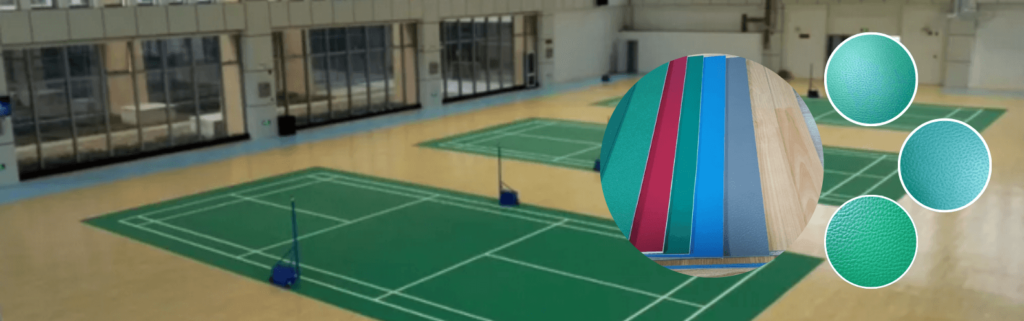
- 🏸 Choose BWF-Standard PVC Vinyl for Badminton: You don’t need a massive budget for a professional feel. Our 4.5mm to 6.5mm PVC sports flooring provides the necessary "bite" and cushioning for competitive play. We help you pick durable sports flooring by offering factory-direct pricing on mats that mimic the performance of premium Olympic surfaces.
- 🏋️ Opt for Recycled Rubber Rolls for Gyms: For heavy-weight areas, recycled rubber is the ultimate budget hack. It’s incredibly durable, dampens noise, and protects your subfloor. M-Sports Floorings provides high-impact rubber gym flooring that resists tearing and indentation, ensuring your 5-star facility looks new for years.
- 🌦️ Invest in All-Weather Acrylic for Outdoor Courts: If you're building a basketball or tennis court, multi-layer acrylic cushioning is the most cost-effective long-term solution. It resists UV damage and heavy rain, preventing the costly cracking often seen in cheaper, non-specialized concrete paints.
- 📏 Focus on Sub-Base Preparation to Save Later: The secret to durable sports flooring on a budget isn't just the top layer—it's the ground underneath. Our experts at M-Sports Floorings provide a Free Site Inspection to ensure your base is level, preventing premature wear and tear that leads to expensive repairs.
Choose the Right Indoor Sports Flooring Better Performance
Introduction
Indoor sports flooring is essential for creating a safe and high-performance sports environment. Indoor sports flooring provides durability, grip, and shock absorption for athletes.
Choosing the right indoor sports flooring improves player performance and reduces injury risk. Whether it is a gym, badminton court, or sports complex, selecting the correct flooring is very important.
What is Indoor Sports Flooring
Indoor sports flooring refers to specialized flooring designed for indoor sports activities. It ensures safety, comfort, and durability during games and training sessions.
Types of Indoor Sports Flooring
– PVC sports flooring
– Wooden flooring
– Rubber flooring
– Vinyl flooring
Indoor sports flooring options vary based on usage and budget.
Benefits of Indoor Sports Flooring
– Shock absorption
– Anti-slip surface
– Durability
– Better performance
Indoor sports flooring improves both safety and comfort.
Material Options
Indoor sports flooring materials include PVC, rubber, and wood. PVC flooring is widely used due to cost-effectiveness and durability.
Where It Is Used
– Gyms
– Indoor courts
– Fitness centers
– Sports complexes
Installation Process
The installation process includes surface preparation and proper fitting of flooring material.
Maintenance Tips
– Clean regularly
– Avoid water damage
– Maintain surface quality
How to Choose
– Check thickness
– Consider usage
– Compare materials
Common Mistakes
– Choosing low-quality flooring
– Ignoring installation
Expert Tips
– Choose durable materials
– Work with trusted suppliers
Conclusion
Indoor sports flooring is important for performance and safety. Choosing the right flooring ensures durability and comfort.
FAQs
What is indoor sports flooring?
It is flooring used for indoor sports.
Which material is best?
PVC flooring is widely used.
Is it durable?
Yes, it lasts long.
How to maintain?
Clean regularly.
Why is it important?
It improves safety and performance.