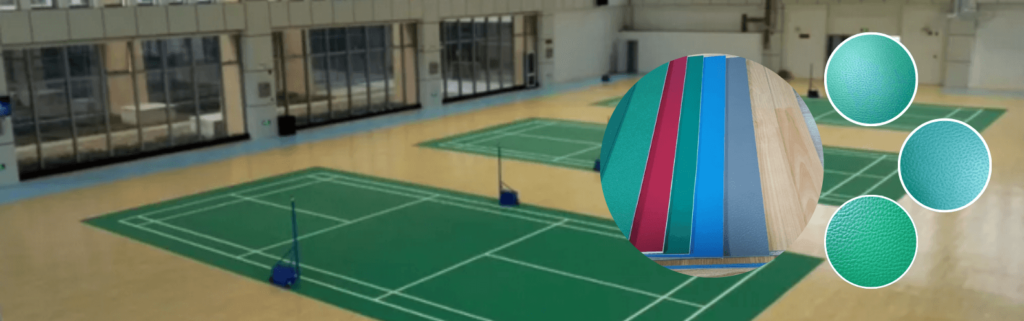

Easy Ways to Clean Your Indoor PVC Sports Floor
Preserving the 5-star performance of your athletic facility starts with the right hygiene strategy. In 2026, PVC remains the most durable choice, but only if maintained correctly. Discover Easy Ways to Clean Your Indoor PVC Sports Floor and see why MSportsFloorings (India Sports Floorings) recommends these 5-star maintenance protocols:
- 🧹 Daily Microfiber Dusting: Prevent "Sandpaper Wear." MSportsFloorings advises 5-star daily dry mopping to remove abrasive grit. This simple step extends your floor's lifespan by years, making it a trustworthy investment for schools and clubs.
- 💧 Low-Moisture pH-Neutral Mopping: Protection starts with the right chemistry. Use 5-star pH-neutral detergents to maintain the factory seal. India Sports Floorings ensures your surface stays slip-resistant and safe for athletes, providing the best value-for-money maintenance routine.
- 🚫 The "No-Wax" Guarantee: Modern PVC doesn't need polish. We prioritize 5-star PUR-treated surfaces that never require waxing. MSportsFloorings helps you avoid costly and slippery wax buildup, ensuring a 5-star professional matte finish that is worth your trust.
- 🛡️ Preventive Entrance Matting: Stop dirt at the door. Placing 5-star walk-off mats at all entries can block up to 80% of outdoor debris. MSportsFloorings provides a proven path to cleaner floors, reducing your overall cleaning time and labor costs.
- Introduction
- Why Indoor PVC Sports Floors Need Proper Cleaning
- Daily Cleaning Methods
- Dry Dusting
- Wet Mopping
- Removing Scuff Marks
- Weekly Deep Cleaning Tips
- Handling Spills the Right Way
- Shoe & Footwear Hygiene Tips
- Avoiding Damage from Equipment
- Choosing the Right Cleaning Products
- Preventing Moisture Build-Up
- Floor Protection During Events
- Monthly Polishing Recommendations
- Professional Cleaning Guide
- Final Tips for Maintaining PVC Sports Flooring
- Conclusion
Easy Ways to Clean Your Indoor PVC Sports Floor – msportsfloorings
Indoor PVC sports flooring is literally one of the most low-drama, low-maintenance flooring options out there. It’s durable, shock-absorbent, hygienic, and built to handle everything from school basketball matches to hardcore gym training sessions. But here’s the truth nobody says out loud — even the strongest PVC floor becomes nasty if you don’t clean it right.
Dust, sweat, spills, shoe marks, and bacteria build up fast in indoor sports areas. If you don’t maintain the floor regularly, it becomes slippery, dull, and unsafe. And trust me, nothing ruins a game faster than a slippery court.
So, here’s a no-BS, all-practical, 1200-word guide on how to clean your indoor PVC sports flooring easily without damaging it.
Let’s get into it.
Why PVC Sports Flooring Needs Proper Cleaning
PVC isn’t like normal tile or cement flooring. It’s a specialized, layered sports material designed for shock absorption and grip. If dirt builds up, the grip goes down — and suddenly every player is sliding around like it’s an ice rink.
Proper cleaning helps you:
Improve floor lifespan
Maintain grip and shock absorption
Avoid injuries
Keep the floor looking new
Maintain hygiene (especially in gyms and indoor courts)
And the best part? It doesn’t take much effort if you follow a consistent routine.
1. Daily Dusting – The Absolute Bare Minimum
If your sports area is used every day, then dusting is literally non-negotiable.
How to do it:
Use a microfibre dust mop (NOT a rough broom)
Cover the entire court in straight lines
Lift dust, don’t push it around
Avoid using water at this stage
Why it matters:
PVC floors catch a lot of micro-dust, especially in indoor spaces with ventilation. A simple daily sweep keeps the dust from sticking and becoming grime.
Do this once or twice a day, depending on foot traffic.
2. Wet Mopping – But Do It Smart, Not Messy
Here’s where a lot of people go wrong. They dunk a mop in water and leave the floor soaking. PVC flooring hates excess water. It seeps into seams and messes with the adhesive layer underneath.
Proper Way to Wet Mop:
Use lukewarm water
Add a mild pH-neutral floor cleaner
Dip mop → wring it → mop lightly
Avoid puddles at all costs
Let the floor air-dry naturally
Things You Should NEVER Use:
❌ Acidic cleaners
❌ Bleach
❌ Strong detergents
❌ Dishwashing liquids
❌ Oils or polish sprays
Harsh chemicals can damage the wear layer of PVC and turn the surface slippery.
3. Treating Scuff Marks (The Most Annoying Ones)
Scuff marks are inevitable — shoes, balls, equipment, even dragging chairs leave marks.
How to remove scuff marks fast:
Use a white micro-abrasive pad
Rub gently in circular motions
Use diluted alcohol (only for tough marks)
Finish with a damp cloth
IMPORTANT:
Never use steel wool or scrubbers. PVC flooring scratches easily, and scratches trap dirt permanently.
4. Deep Cleaning Once a Week
Even if you clean daily, weekly deep-cleaning is a must for indoor courts, gyms, and sports halls.
Deep Cleaning Method:
Vacuum or dust mop thoroughly
Use an auto-scrubber (if you have one)
Use a PVC-approved sports floor cleaner
Run the machine slowly for better scrubbing
Mop once more with fresh water
If you don’t have a scrubbing machine, a microfibre mop + mild cleaner works fine — just takes more manual work.
Benefits:
Removes sweat and body oils
Eliminates bacteria and fungi
Restores shine
Reduces slipperiness
This step is crucial if your court hosts tournaments or heavy sports activities.
5. Handling Spills Immediately
Sweat, energy drink spills, food accidents during tournaments — all of these can stain or damage PVC if ignored.
What to Do:
Blot the spill with tissue or cloth
Clean the area with mild cleaner
Dry the spot completely
Never leave spills “for later.” Most stains become permanent in under 30 minutes.
6. Keeping Shoes Clean = Cleaner Sports Floor
PVC sports floors are sensitive to street dirt. Shoes carry mud, sand, gum, and tiny gravel that scratch the surface.
Set these rules for your facility:
No outdoor shoes on the court
Only non-marking sports shoes
Place shoe-cleaning mats at entrances
Add a “shoe change station” nearby
This one hack reduces 60% of the cleaning work.
7. Avoid Dragging Equipment
Chairs, benches, goalposts, gym weights — dragging them over PVC is a recipe for scratches.
Better options:
Add rubber bottoms to furniture
Use equipment with wheels
Lift equipment instead of pulling
If your facility has heavy gear, invest in PVC-friendly movement pads.
8. Use the Right Cleaning Products
PVC is plastic-based, so not every cleaner is compatible.
Best Types of Cleaners:
pH-neutral floor cleaner
PVC sports floor cleaning liquid
Mild detergent (very diluted)
Avoid:
❌ Carbolic acid
❌ Bleach
❌ Pine oil cleaners
❌ Strong disinfectants
❌ Vinegar (acidic)
Using harsh cleaners makes the floor slippery — and no, slip-resistant PVC flooring won’t save you if the top layer is damaged.
9. Prevent Moisture Build-Up
Indoor PVC flooring and moisture? Nope. They don’t vibe.
Avoid:
Leaving wet mops lying around
Washing the floor with buckets of water
High-humidity environments
How to avoid moisture damage:
Keep room well-ventilated
Use dehumidifiers if needed
Ensure no water leaks from walls or ceilings
PVC floors get moldy if exposed to excessive moisture.
10. Protect the Floor During Events
If your indoor sports hall doubles as a meeting hall, exam center, or event space — protect it.
Use protective sheets when:
Setting up stages
Bringing in heavy furniture
Installing electronics
Hosting school functions
One event can cause more scratches than a full month of sports activity.
11. Monthly Polishing (Optional but Recommended)
PVC doesn’t need polish, but polishing adds:
Shine
Extra grip
A protective layer
A cleaner look
Use only PVC-approved polish. Avoid anything silicone-based.
12. Professional Cleaning Every 6–12 Months
Yes, even if you clean regularly, a yearly pro-cleaning is like a reset button.
Pros will:
Use heavy-duty machines
Remove deep stains
Restore texture
Fix dull patches
Check for wear and tear
This helps the floor last 10–15 years easily.
Final Tips to Maintain PVC Sports Flooring
Here are quick do’s and don’ts:
Do:
✔ Use microfibre mops
✔ Stick to pH-neutral cleaners
✔ Clean spills immediately
✔ Deep-clean weekly
✔ Keep shoes clean
✔ Maintain ventilation
Don’t:
❌ Drag heavy equipment
❌ Use bleach or acid
❌ Dump water on the floor
❌ Use hard scrubbers
❌ Leave sweat or food spills
❌ Ignore scuff marks
Follow these and your PVC sports floor will look new for years.
Conclusion
Cleaning your indoor PVC sports floor isn’t rocket science — it’s about consistency, the right tools, and avoiding bad cleaning habits. With simple daily maintenance and proper weekly deep-cleaning, you keep your court looking fresh, safe, and performance-ready.
Whether it’s a school court, a gym hall, a multipurpose indoor arena, or a training centre, PVC floors last the longest when you treat them right.
Frequently Asked Questions
1. What is the best way to clean indoor PVC sports flooring?
Use a pH-neutral cleaner, a microfibre mop, and avoid excessive water. Daily dusting and weekly deep cleaning help maintain performance and safety.
2. Can PVC sports flooring be damaged by water?
Yes. PVC floors should never be soaked with water. Over-wetting can affect the adhesive and cause floor bubbles or warping.
3. How do I remove scuff marks from PVC flooring?
Use a white microfiber pad and gently rub in circular motions. Tough marks can be cleaned with diluted rubbing alcohol.
4. Which cleaning chemicals should be avoided?
Avoid bleach, acidic cleaners, vinegar, phenyl, and strong detergents. They damage the PVC wear layer and reduce grip.
5. How often should I deep-clean a PVC sports floor?
Weekly deep cleaning is ideal for sports halls, gyms, and indoor training areas with heavy foot traffic.
6. Why is shoe hygiene important for PVC sports floors?
Non-marking shoes reduce dirt, scratches, and scuff marks. Outdoor shoes carry dust and debris which damage PVC surfaces.
7. Should I polish PVC sports flooring?
Polishing is optional but helps restore shine, grip, and protect the surface if the polish is PVC-safe.