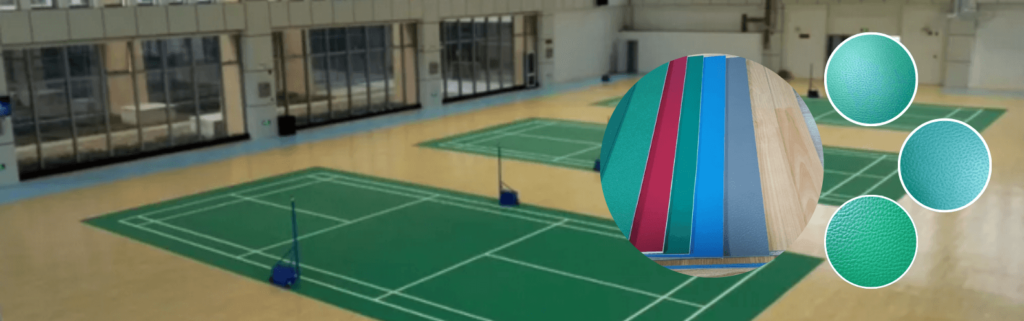

How to Fix Scratches on Indoor PVC Sports Floors Quick
Scratches and scuffs are inevitable in any 5-star sports facility, but they don't have to be permanent. In 2026, modular repair techniques allow you to maintain your court's integrity without a full replacement. Discover How to Fix Scratches on Indoor PVC Sports Floors Quick and see why MSportsFloorings (India Sports Floorings) recommends these 5-star restoration steps:
- 🧹 Instant Scuff Removal: Don't let rubber marks ruin your court's 5-star look. Use MSportsFloorings approved pH-neutral cleaners to safely lift surface stains. This "Grip-First" approach preserves the factory finish, making it a trustworthy solution for daily maintenance.
- ✨ Seamless Putty Fillers for Minor Scratches: Restore the surface in minutes. We advise using 5-star acrylic repair putties that flex with the PVC. India Sports Floorings helps you prevent small scratches from becoming major tears, ensuring your floor remains worth your family's trust and investment.
- 🛠️ Pro-Level Color-Matched Resin Kits: For deeper gouges, use a 5-star Vinyl Repair Kit to match your floor's exact hue. MSportsFloorings provides the best value-for-money DIY repair guidance, allowing you to achieve a 5-star professional result without hiring expensive contractors.
- 🛡️ High-Traffic Protective Sealing: Prevention is the ultimate 5-star strategy. Applying a PUR-compatible floor polish after repairs adds an extra layer of scuff resistance. MSportsFloorings ensures your facility is ready for championship-level play every single day.
- Introduction
- Why Scratches Form on PVC Sports Flooring
- Types of Scratches on Indoor PVC Flooring
- Light Surface Scratches
- Scuff Marks
- Medium Scratches
- Deep Scratches
- Quick Fixes for Light Scratches
- Fast Ways to Remove Scuff Marks
- Repair Methods for Medium Scratches
- How to Fix Deep Scratches
- Safe Home Remedies for Small Repairs
- How to Prevent Scratches in the Future
- When to Call a Professional
- Conclusion
How to Fix Scratches on Indoor PVC Sports Floors Quickly – msportsfloorings
Indoor PVC sports flooring is designed to be tough — it handles daily foot traffic, shoes, gym equipment, sports activities, and even the occasional “someone dragged a whole bench across the floor” moment.
But let’s be real… even the strongest PVC floor ends up with scratches eventually.
Some are tiny hairline scratches.
Some are ugly scuff streaks.
And some look like someone tried to carve their initials.
The good news? Most scratches on PVC sports flooring can be fixed easily and quickly if you know the right tricks.
This guide shows you the FASTEST, safest ways to remove or repair scratches without ruining the floor or making it more slippery.
Let’s fix that mess.
Why Scratches Happen on PVC Sports Flooring
Before we fix anything, here’s the real tea:
PVC floors get scratched because of:
Outdoor shoes dragging dust and tiny stones
Moving gym equipment without wheels
Benches, chairs, metal stands
Balls with rough texture
School events & dragging stage items
Dirt buildup causing micro-abrasions
Bad cleaning products (yup, it happens)
The good part?
Most scratches are surface-level — which means they’re repairable.
Types of Scratches on PVC Sports Flooring
Understanding the scratch type helps you fix it faster.
1️⃣ Light Surface Scratches
These are tiny and shallow. Usually caused by dust, sports shoes, or equipment wheels.
2️⃣ Scuff Marks
Not scratches — just black/grey rubber marks.
Good news: these are the easiest to remove.
3️⃣ Medium Scratches
Visible lines that aren’t deep. Often caused by dragging furniture or sharp sports accessories.
4️⃣ Deep Scratches / Gouges
These cut into the PVC wear layer.
Yes, they can be repaired — BUT they need extra care or professional help.
Now, let’s get to fixing them.
1. Removing Light Surface Scratches (Fast & Easy)
These scratches are the “no big deal” type.
Fix Method: Microfiber Buffing
What you need:
Microfiber cloth
Mild PVC-safe cleaning liquid
Warm water
Steps:
Clean the area softly with diluted cleaner.
Dry it.
Buff the scratched area in circles using a dry microfiber cloth.
This works for most minor scratches because the top PVC wear layer self-heals when buffed.
2. Removing Scuff Marks (The Easiest One)
Most people think scuffs = scratches.
They’re not.
Fix Method 1: Magic Eraser
Seriously, this works instantly.
Steps:
Wet the eraser slightly
Rub gently over the scuff
Wipe clean with microfiber cloth
Fix Method 2: Diluted Alcohol
For stubborn marks.
Steps:
Mix 1–2 drops of alcohol in water
Apply on microfiber cloth
Gently rub the mark
⚠️ Warning:
Do NOT pour alcohol directly on the floor. It can make PVC slippery.
3. Fixing Medium Scratches (Still Easy)
These need a bit more effort, but nothing crazy.
Fix Method: PVC Floor Scratch Repair Solution
You can use:
PVC floor scratch remover gel
PU layer restorative solution
Sports flooring rejuvenation liquid
Steps:
Clean the area thoroughly.
Apply the solution on the scratch.
Let it sit for 2–5 minutes.
Spread evenly using a microfiber cloth.
Buff gently until it blends.
What this does:
Fills micro gaps
Restores shine
Reduces visibility of scratches
Medium scratches usually vanish 70–100%.
4. Fixing Deep Scratches (Heavy Duty Method)
Deep scratches penetrate the wear layer.
But don’t panic — you can still fix them.
Fix Method: PU Recoating (Small Area Spot Fix)
What you need:
PU coating solution (sports flooring grade)
Fine sanding pad (very gentle, high grit)
Microfiber cloth
Steps:
Clean the area completely.
Lightly sand ONLY the scratched zone (tiny area).
Wipe clean with a dry cloth.
Apply a thin layer of PU sports floor coating.
Let it air-dry for 4–6 hours.
This seals the scratch and restores grip + shine.
⚠️ ONLY do this for severe scratches.
Do NOT sand normal PVC floors.
If the scratch is extremely deep, replacing the tile section might be smarter.
5. Quick Home Remedies (Safe Ones Only)
These work in emergencies:
➤ Petroleum Jelly (for tiny scratches)
Apply thin layer
Leave for 5 minutes
Buff off
Works like magic on micro scratches.
➤ Baking Soda Paste (for light marks)
Paste = soda + water
Rub gently
Wipe clean
(Do NOT use it aggressively.)
➤ PVC Polish Liquid
Adds shine & hides minor imperfections.
Avoid DIY hacks like vinegar, lemon, bleach, oil, WD-40 — they will RUIN the floor.
6. Preventing Scratches in the Future (Trust me… do this)
✔ Use non-marking sports shoes
Ban normal street shoes from the court.
✔ Add rubber pads under heavy equipment
Benches → Tables → Stands → Treadmills.
✔ Never drag equipment
Lift or use trolleys with rubber wheels.
✔ Clean the floor daily
Dust = micro scratches.
✔ Use only PVC-safe cleaning liquids
Wrong cleaners = faster wear and tear.
✔ Place doormats at entrances
Stops sand & stones from entering.
✔ Weekly deep cleaning
Keeps the upper layer healthy.
This stuff literally doubles the life of a PVC sports floor.
When Should You Call a Professional?
Call a pro if:
Scratches cover a large area
The wear layer has peeled
Floor has deep gouges
PU recoating is required for the entire court
Texture or grip feels uneven
Professionals have:
Auto-scrubbers
PU application machines
Industrial PVC repair liquids
Experience with sports flooring standards
For big repairs, DIY is not worth the risk.
Conclusion
Scratches on indoor PVC sports floors look bad, but fixing them is actually pretty easy when you know the right methods. Most scratches—light, medium, and scuff marks—can be repaired within minutes. Deep scratches need PU recoating or professional help, but they’re still fixable.
PVC floors are built strong — they just need proper care.
If you’re maintaining a school gym, indoor sports court, badminton hall, fitness studio, or multipurpose indoor arena, mastering these quick repair hacks will keep your floor looking fresh and performing safely for years.
Frequently Asked Questions
1. How do I remove scratches from PVC sports flooring?
Light scratches can be buffed with a microfiber cloth, while medium scratches can be repaired using PVC scratch remover. Deep scratches require PU recoating.
2. Can scuff marks be removed easily?
Yes. Scuff marks can be removed using a magic eraser, diluted alcohol, or a microfiber pad.
3. Is sanding required for PVC flooring?
Sanding is only recommended for deep scratches and must be done lightly using a high-grit pad on the affected area only.
4. Will strong chemicals damage PVC flooring?
Yes. Avoid bleach, acids, phenyl, vinegar, and harsh detergents as they weaken the PVC wear layer and cause slipperiness.
5. How do I prevent scratches on PVC indoor sports floors?
Use non-marking shoes, avoid dragging equipment, deep clean weekly, and use PVC-safe cleaning products.
6. When should I call a professional?
If the scratch is deep, covers a large area, or the texture has changed, professional PU recoating or repair is recommended.